

A Forager’s Guide to Food Preservation: How to Make Your Wild Harvest Last
This page may contain affiliate links. Learn more.
Foraging is seasonal. You may wait all year for a favorite mushroom to appear, for berries to ripen, or for a particular tree to produce its fruit. Then, suddenly, the harvest is ready—and you may have more food than you can possibly use before it spoils. If you are like me, you may also just be in an area once and might not visit there for a long time. You want to collect as much as you responsibly can all at once.

FORAGING
PRESERVING
WILDCRAFT
PREPARE
Food Preservation Skills are Essential for Foragers
Before gathering large quantities of wild food, it helps to have a plan for how you will preserve it and how you want to use it later.
A mushroom flush may give you far more mushrooms than you can eat in a week. Blackberries may ripen all at once. Grape leaves may be tender and abundant for only a short period. Olives, mesquite pods, prickly pear fruit, and other Arizona wild foods each have their own harvest seasons—and their own best methods of preservation.
That means foraging doesn’t end when you bring your harvest home.

You need to think beyond the question, What can I forage? You also need to ask: What am I going to do with it once I get home?
Can you freeze it? Should you dehydrate it? Would it be better preserved in salt, turned into jam, fermented into a drink, or transformed into a shelf-stable ingredient?
The answer depends on the food—and on how you want to use it later.
This guide to preserving foraged food will help you understand the different food preservation methods available to foragers so you can make the most of your seasonal harvest and enjoy wild food long after the season has passed.
Download: Get the Arizona Forager’s Food Preservation Cheat Sheet at the end of this post for a quick reference to the best preservation methods for common types of Arizona foraged food.

Table of Contents
- Why Food Preservation Is Important for Foragers
- How to Choose the Best Preservation Method for Foraged Food
- 9 Ways to Preserve Foraged Food
- Transforming Your Harvest Into a Shelf-Stable Ingredient
- Think About Preservation Before You Start Foraging
- A Simple Way to Plan Your Foraged Harvest
- Frequently Asked Questions About Preserving Foraged Food
- Download the Arizona Forager’s Food Preservation Cheat Sheet

Why Food Preservation is Important for Foragers
Wild food is often available for only a short period of time. And to top that off, you may only be around that wild food during a camping or hiking trip, so it may just be a one-time only event. You have to be able to take advantage of the moment.
When food is abundant, it is tempting to gather as much as possible. But bringing home a large harvest without a plan can lead to food going to waste. Food preservation allows you to take advantage of seasonal or momentary abundance without feeling like you have to eat everything immediately.
Instead of trying to use your entire harvest fresh, you can preserve part of it for later. A summer berry harvest can become winter jam. Fresh mushrooms can become dried mushrooms for soup or powdered as a nutritional supplement. Herbs gathered during the growing season can become tea or seasoning for the rest of the year. Mesquite pods can become flour. Prickly pear fruit can become frozen juice, syrup, jelly, or another shelf-stable product.
Food preservation allows you to extend the usefulness of your harvest, but it can also transform a wild food into something entirely new. Sometimes you are preserving the food itself. Other times, you are preserving its flavor. And sometimes, you are transforming the harvest into medicine that you can use when you need it.
How to Choose the Best Preservation Method for Foraged Food
How much did I harvest?
- The amount of food you have can help determine the best preservation method.
- A handful of berries may be enough to eat fresh.
- A large bucket of berries may be better frozen or preserved.
- A few mushrooms may become dinner.
- A large mushroom harvest may require a dehydrator.
- Think realistically about how much you can use before the food spoils.
How long do I want it to last?
How do I want to use it later?
- Cooking?
- Baking?
- Smoothies?
- Tea?
- Soup?
- Seasoning?
- Drinks?
- Snacks?
- Stuffed leaves?
- Herbal preparations?
What preservation method works best for the food itself?

9 Ways to Preserve Foraged Food
1. Freezing
- Blackberries and other berries
- Wild fruits
- Prickly pear fruit or juice
- Prepared sauces and purees
- Herb pestos
- Some greens
- Cooked mushrooms
The best preservation method is often the one that leaves you with food in the form you will actually use.

2. Dehydration
- Mushrooms
- Herbs
- Flowers
- Some fruits
- Grape leaves
- Chiles
- Mesquite pods
- Certain edible greens

3. Canning
- Jams
- Jellies
- Fruit preserves
- Syrups
- Pickled foods
- Some sauces

4. Salt Preservation and Brining
Salt has been used to preserve food for centuries.
Foragers can use salt preservation and brining for certain leaves, vegetables, and fruits.
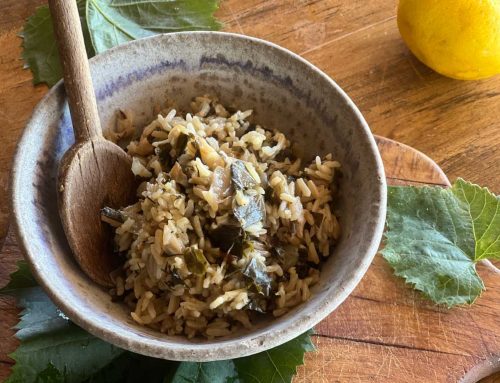
Grape leaves are a good example. If you want to preserve grape leaves for making stuffed grape leaves later, you can preserve them whole in salt brine. Lemons are a wonderful thing to salt cure. There are many Mediterranean recipes that use these preserved lemons for flavoring. Olives are another interesting example. Fresh olives are extremely bitter and require curing before they become enjoyable to eat. Depending on the method, olives may be cured using water, salt, or lye.
This is a good reminder that some foods require processing before they are ready to eat. Sometimes preservation is also part of making a wild food usable. When choosing a preservation method, consider what form of the food you need for your future recipe. If you want whole grape leaves for wrapping a filling, preserving them whole makes more sense than drying and grinding them.
5. Fermentation
Fermentation is another way to preserve and transform food. Rather than simply storing the food, fermentation creates something new. Foragers may use fermentation with appropriate fruits, vegetables, and other foods to create drinks, condiments, and preserved foods. Manzanita berries, for example, can be used to make a fermented drink. Wild fruits can also be transformed into fermented beverages using a ginger bug or added to honey and yeast to make mead. (I’m drinking some Marion Berry Mead by Superstition Meadery as I write this, in fact.)
Fermentation is especially interesting for foragers because it allows a short seasonal harvest to become something that can be enjoyed in a completely different form.
A fruit that is available for only a few weeks may become a beverage or another preserved product that allows you to enjoy the harvest later. As with any preservation method, it is important to understand the process and follow safe, reliable techniques.

6. Preserving Food With Sugar
- Flowers like Desert Willow and Palo Verde
- Wild berries
- Wild Currants
- Pyracantha berries
- Prickly pear juice
- Chokecherries
- Manzanita Berries
7. Infusing
- Honey
- Vinegar
- Alcohol
- Oil
8. Pickling

9. Transforming Your Harvest Into a Shelf-Stable Ingredient
- Mesquite pods → flour
- Acorns → meal or flour
- Dried mushrooms → mushroom powder
- Fruit → fruit leather
- Prickly pear fruit → syrup
- Herbs → seasoning blends
- Seeds → ground meal
Ask:
What can I turn this into?
Think About Preservation Before You Start Foraging
One of the best habits a forager can develop is planning ahead. Before heading out, consider what may be available and what you would do with a successful harvest.
- If mushrooms are fruiting, do you have room in the dehydrator?
- If berries are ripe, do you have space in the freezer?
- If you plan to make jam, do you have the equipment and ingredients you need?
- If grape leaves are ready to harvest, do you know whether you want to dry them or preserve them in brine?
You do not need every detail planned before you leave the house. But thinking ahead can prevent you from bringing home more food than you can realistically use or preserve. It can also help you harvest more responsibly. Instead of gathering as much as possible simply because the food is available, gather an amount you know you can use.
The goal is not to take the biggest harvest.
The goal is to make the most of what you harvest.
And the absolute MAIN GOAL Is Not Just to Preserve Food—It’s to Use It
Preserve food in ways that make sense for you.
- If you drink tea, dry herbs.
- If you make smoothies, freeze fruit.
- If you love soup, dehydrate mushrooms.
- If you enjoy baking, turn mesquite pods into flour.
- If your family loves jam, preserve seasonal berries.
Your preservation method should fit the way you actually cook and eat. That is what makes food preservation such a valuable skill for foragers. It allows you to take a short season of abundance and stretch it into months of useful food.
Frequently Asked Questions About Preserving Foraged Food
What is the best way to preserve foraged food?
The best way to preserve foraged food depends on the type of food and how you plan to use it later. Fruits and berries can often be frozen, dried, or made into preserves. Mushrooms are often dehydrated or cooked before freezing. Herbs can be dried or infused, while some leaves and vegetables can be preserved in brine.
How long can foraged food be stored?
Storage time depends on the food and the preservation method. Fresh food may last only a few days, while properly frozen, dehydrated, canned, or otherwise preserved food can last much longer. Always research the specific food and preservation method you are using.
Can you freeze foraged mushrooms?
Mushrooms can be frozen, but they generally have a better texture if they are cooked before freezing. Dehydration is another useful method for preserving mushrooms for long-term storage.
What is the easiest way to preserve wild berries?
Freezing is often one of the easiest ways to preserve wild berries. Berries can also be dehydrated or turned into jam, jelly, syrup, or other preserves.
Can foraged leaves be preserved?
Yes. Depending on the type of leaf and how you plan to use it, foraged leaves may be dried, frozen, or preserved in brine. Grape leaves, for example, can be dried or preserved whole in salt brine.
Should I decide how to preserve food before I go foraging?
Yes. Having a preservation plan before harvesting can help you avoid gathering more food than you can use. It also allows you to have the equipment and ingredients ready while your harvest is at its freshest.

Download the Arizona Forager’s Food Preservation Quick Guide
When you bring home a successful harvest, it can be hard to remember the best way to preserve everything.
Should you freeze it, dry it, make it into jam, preserve it in salt, ferment it, or turn it into something else?
I created this free Arizona Forager’s Food Preservation Quick Guide to make the decision easier.
Inside, you’ll find a quick reference guide to the best preservation options for common types of foraged foods, including:
- Mushrooms
- Berries and wild fruit
- Prickly pear fruit
- Grape leaves
- Olives
- Manzanita berries
- Mesquite pods
- Wild herbs and flowers
- Greens
- Seeds and nuts
The cheat sheet also helps you think about how you want to use your harvest later, so you can choose a preservation method that makes sense before you bring home more than you can use fresh.
Get Your Free Arizona Forager’s Food Preservation Quick Guide
Keep it in your phone, save it to your computer, or print it and keep it in your kitchen for quick reference.
Pin Me!


Homesteading Resources

Gaia’s Garden
Toby Hemenway

Southwest Foraging
John Slattery

Southwest Medicinal Plants
John Slattery

Medicinal Plants of the American Southwest
Charles Kane

Subscribe & Receive A Free Garden Guide
Keep in touch with our weekly newsletter and receive a FREE digital, printable garden guide to help you get the most out of your own backyard.
We do not spam. You can unsubscribe anytime



Leave A Comment